Free Estimates & Special Discounts
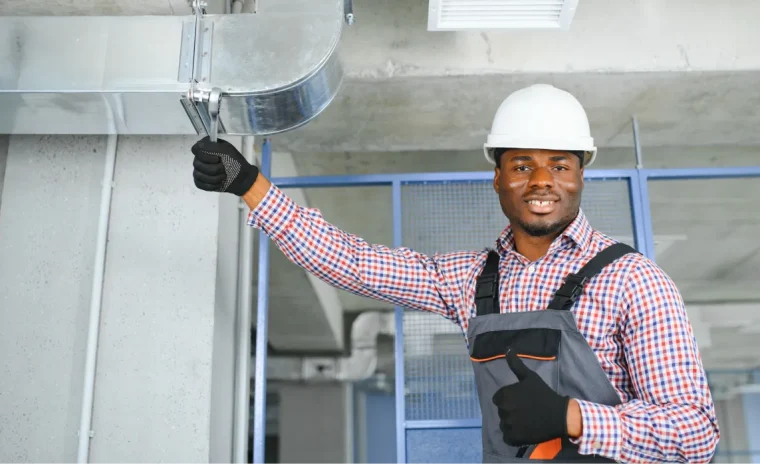
Understanding Professional Installation Standards
When selecting professionals to handle your heating and cooling system, understanding what separates qualified technicians from average contractors makes all the difference in long-term performance. Proper installation directly impacts energy efficiency, equipment lifespan, and your daily comfort throughout every season.
Proper sizing calculations form the foundation of any successful installation project. Technicians must perform detailed load calculations that account for your home’s square footage, insulation levels, window placement, ceiling heights, and even the number of occupants. In the Shreveport area, where summer temperatures regularly climb into the upper 90s and humidity stays persistently high, oversized units cause short cycling and inadequate dehumidification, while undersized systems struggle to maintain comfortable temperatures during peak demand periods.
Ductwork evaluation and modification represent another critical component that many homeowners overlook. Even the most efficient equipment cannot perform properly when connected to poorly designed or leaking duct systems. Skilled professionals inspect existing ductwork for proper sizing, seal all connections, verify adequate return air pathways, and make necessary modifications to ensure balanced airflow throughout your living spaces.
Refrigerant line installation requires precision and adherence to manufacturer specifications. Line sets must be properly sized, supported at appropriate intervals, insulated to prevent condensation and energy loss, and evacuated to remove all moisture and air before charging. These steps directly affect system efficiency and compressor longevity, making professional handling non-negotiable.
Electrical connections and control wiring demand both technical knowledge and strict code compliance. Proper wire sizing, circuit breaker selection, disconnect placement, and thermostat wiring all contribute to safe, reliable operation. Licensed professionals understand local electrical codes and manufacturer requirements, ensuring your installation passes inspection and operates safely for years to come.
Choosing the Right System for Your Home
Selecting the appropriate equipment for your specific needs involves more than simply replacing your old unit with a similar model. Technology advances rapidly in the heating and cooling industry, and today’s options offer significantly improved efficiency, quieter operation, and enhanced comfort features compared to systems installed just a decade ago.
Efficiency ratings deserve careful consideration when evaluating replacement options. SEER2 ratings for cooling and HSPF2 ratings for heat pumps indicate how efficiently equipment converts energy into comfort. Higher-rated systems cost more upfront but deliver substantial savings on monthly utility bills, particularly important in our region where air conditioning runs from April through October. When you factor in potential utility rebates and tax credits for high-efficiency equipment, the premium often pays for itself within the first few years.
System type selection depends on your home’s existing infrastructure and your comfort preferences. Traditional split systems with separate indoor and outdoor components work well for homes with existing ductwork. Heat pumps offer both heating and cooling in a single system, providing excellent efficiency in our moderate winter climate. Dual-fuel systems pair an electric heat pump with a gas furnace, automatically switching to the most efficient heat source based on outdoor temperatures. Ductless mini-split systems provide flexibility for additions, renovations, or homes without existing ductwork.
Variable-speed technology represents one of the most significant advances in comfort and efficiency. Unlike single-stage systems that operate at full capacity whenever they run, variable-speed equipment adjusts output to match your home’s exact needs at any given moment. This results in more consistent temperatures, better humidity control, quieter operation, and lower energy consumption. During those transitional spring and fall days when full capacity feels like too much, variable-speed systems run at lower speeds to maintain perfect comfort without temperature swings.
Indoor air quality features integrated into modern systems address allergens, humidity, and ventilation concerns that older equipment ignored. Advanced filtration systems capture smaller particles, UV lights neutralize biological contaminants, whole-home dehumidifiers maintain ideal moisture levels even when cooling demands are low, and energy recovery ventilators bring in fresh outdoor air without wasting conditioned air. For families with allergies or respiratory sensitivities, these features transform indoor environments.
The Installation Process From Start to Finish
Understanding what happens during installation day helps you prepare your home and know what to expect from your installation crew. Quality contractors follow systematic procedures that ensure every detail receives proper attention, from initial preparation through final testing and cleanup.
Pre-installation preparation begins before the crew arrives at your property. Reputable professionals confirm equipment delivery, verify all necessary permits have been obtained, and review the installation plan to address any potential complications. On installation day, crews typically arrive early with all necessary tools, materials, and safety equipment. They establish work areas, protect flooring and furnishings along pathways between work locations, and brief you on the day’s schedule and any temporary service interruptions.
Old equipment removal requires careful handling to prevent damage to your home and ensure proper disposal of refrigerants and other regulated materials. Technicians safely recover refrigerant from the existing system before disconnecting and removing old equipment. They cap refrigerant lines, protect electrical connections, and carefully navigate equipment through your home without damaging walls, doorways, or floors. Responsible contractors dispose of old equipment according to environmental regulations, often recycling metal components and properly handling refrigerants.
New equipment installation follows manufacturer specifications and local building codes at every step. Outdoor units receive proper pad installation or mounting brackets, level placement, and adequate clearance for airflow and service access. Indoor components get securely mounted with appropriate vibration isolation, proper drain pan installation, and correct orientation for optimal performance. During humid Louisiana summers, even small installation errors in condensate drainage can lead to water damage, making attention to these details crucial.
Refrigerant charging and system startup require precision instruments and technical knowledge. After completing all connections, technicians evacuate the line set to remove air and moisture, then charge the system according to manufacturer specifications. They verify proper superheat and subcooling values, check refrigerant pressures across all operating conditions, and confirm that the system achieves rated capacity and efficiency. This process cannot be rushed without compromising performance and longevity.
Final testing and customer orientation complete the installation process. Technicians verify thermostat programming, test all operating modes, confirm proper airflow at each register, check safety controls, and ensure quiet operation. They walk you through basic maintenance tasks, explain warranty coverage, review your new thermostat’s features, and answer any questions about operation or maintenance. Quality contractors provide written documentation of all work performed, warranty information, and recommended maintenance schedules.
Common Installation Challenges and Solutions
Even straightforward replacement projects sometimes present unexpected complications that require problem-solving skills and experience. Understanding common challenges helps you appreciate the value that seasoned professionals bring to your project and why the lowest bid rarely delivers the best long-term value.
Space constraints frequently complicate installations, particularly in older homes where mechanical spaces were designed for smaller equipment or homes with finished attics and basements. Modern high-efficiency systems often have different dimensions than the units they replace, sometimes requiring creative placement solutions or minor modifications to accommodate new equipment. Professionals with extensive experience can evaluate your space limitations and propose practical solutions that maintain proper clearances and service access.
Electrical service inadequacies become apparent when new equipment requires more power than your existing electrical panel can safely provide. Older homes in established Shreveport neighborhoods often have 100-amp or smaller electrical services that cannot support modern high-capacity heating and cooling systems alongside other household loads. Addressing these limitations may require service panel upgrades coordinated with licensed electricians before installation can proceed.
Ductwork deficiencies reveal themselves during pre-installation assessments when professionals measure existing duct sizes and configurations. Many homes have undersized return air ducts, restrictive supply runs, or poorly designed layouts that severely limit system performance regardless of equipment quality. While complete duct replacement represents a significant additional investment, strategic modifications often deliver dramatic comfort improvements without replacing the entire distribution system.
Drainage challenges affect condensate removal, particularly important in our humid climate where air conditioners and high-efficiency furnaces produce substantial water. Installations in attics require careful attention to condensate pump placement, backup pan installation, and overflow protection to prevent ceiling damage. Professionals familiar with local building codes understand required safety devices and proper installation techniques that prevent water damage.
Permit and inspection requirements vary by jurisdiction and project scope, creating potential delays when not properly anticipated. Licensed contractors maintain relationships with local building departments, understand current code requirements, and schedule inspections at appropriate project stages. They handle all documentation and ensure installations meet or exceed code standards, protecting your investment and ensuring insurance coverage remains valid.
Maintaining Your Investment for Long-Term Performance
Professional installation represents just the beginning of your system’s service life. Proper maintenance protects your investment, preserves efficiency, prevents unexpected breakdowns, and ensures your equipment delivers reliable comfort for its entire expected lifespan of fifteen to twenty years.
Regular filter changes form the foundation of any maintenance program. Dirty filters restrict airflow, forcing your system to work harder while delivering less comfort and using more energy. During peak usage seasons, monthly filter inspection and replacement keeps your system operating at design efficiency. Homes with pets, high pollen counts, or construction activity nearby may require even more frequent attention. The few dollars spent on quality filters prevents thousands in premature equipment replacement.
Professional maintenance visits twice annually address items beyond typical homeowner capabilities. Before cooling season, technicians clean outdoor coils, check refrigerant charge, test capacitors, lubricate motors, verify electrical connections, calibrate thermostats, and confirm proper operation across all modes. Before heating season, they inspect heat exchangers, test safety controls, verify combustion efficiency on gas furnaces, and ensure backup heat sources function properly. These preventive visits identify small issues before they become expensive emergencies.
Thermostat programming optimization helps you maximize efficiency without sacrificing comfort. Modern programmable and smart thermostats offer sophisticated scheduling options that reduce runtime when you’re away or sleeping while ensuring comfort when you’re home and active. Many homeowners never fully utilize these features, leaving potential savings unrealized. Taking time to learn your thermostat’s capabilities and adjusting programs seasonally can reduce energy consumption by fifteen to twenty percent without any comfort compromise.
Outdoor unit care prevents common problems that reduce efficiency and shorten equipment life. Keeping vegetation trimmed back maintains proper airflow, hosing off accumulated pollen and cottonwood seeds preserves heat transfer efficiency, and ensuring level installation prevents premature compressor failure. In areas with falling leaves or seed pods, periodic cleaning during spring and fall keeps coils functioning at peak efficiency.
Air Advisors of Louisiana brings extensive experience in heating and cooling installation to every project throughout the Shreveport area. Our licensed technicians perform detailed load calculations, recommend appropriately sized equipment, handle all permit requirements, and complete installations according to manufacturer specifications and local codes. From traditional split systems to advanced heat pump technology, we install equipment that delivers reliable comfort and efficiency for years to come. When your home needs a new climate control system or you’re ready to upgrade to more efficient equipment, our team provides the skilled installation services that protect your investment and ensure optimal performance. Contact us today to schedule a consultation and discover how professional installation makes all the difference in your home’s comfort and energy efficiency.